#mc_embed_signup{background:#dbedf0; clear:center; font:14px Helvetica,Arial,sans-serif; }
A kid first
/
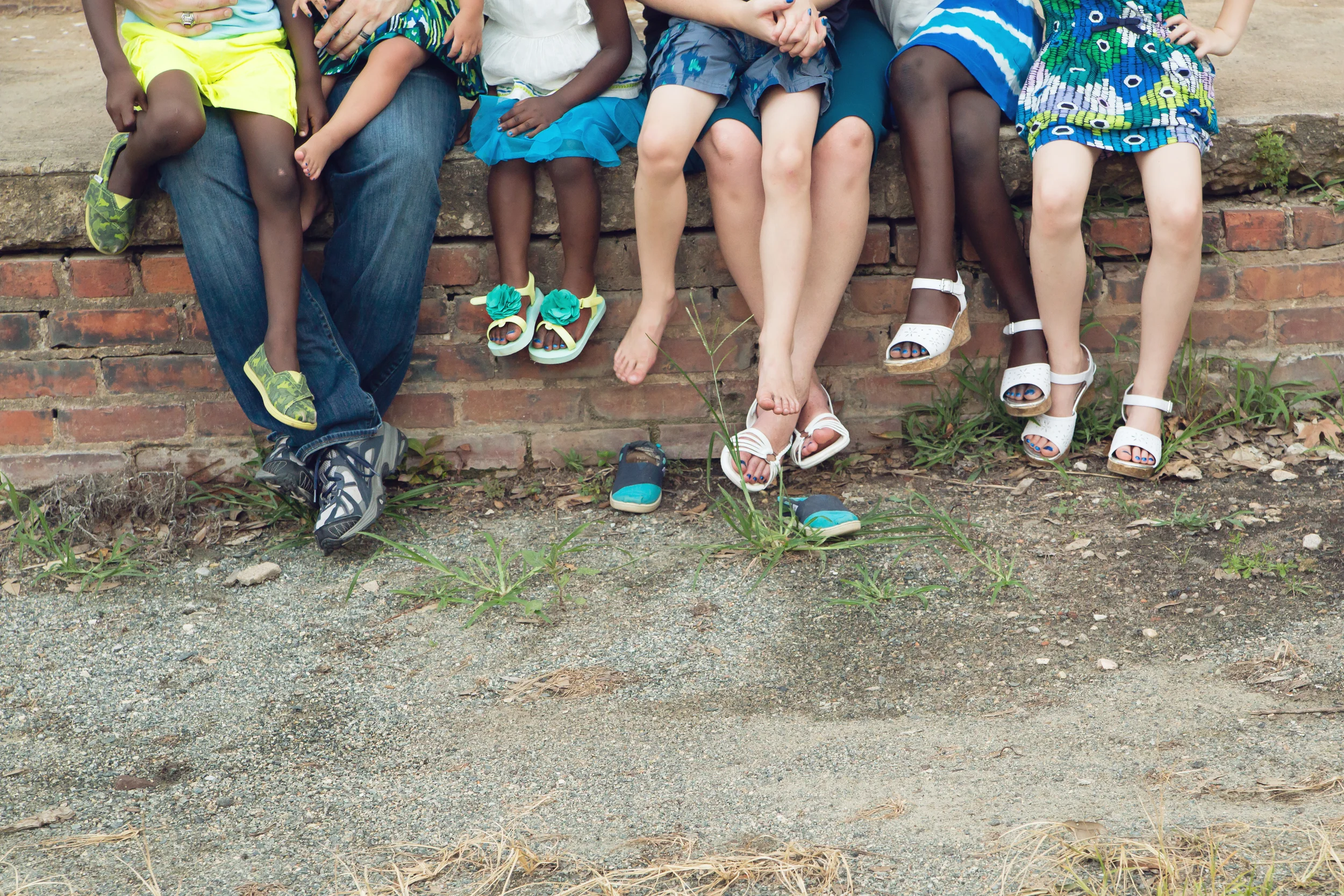
I know and love a precious little boy. He loves cars and dogs. He likes giving hugs. He would rather run than walk. He cuddles with his parents and looks up to his older brothers.
Oh, yeah, and he has Down syndrome and a seizure disorder, and he's had more surgeries than years of life.
He isn't just a kid with Down syndrome. He's a kid who reminds me of Robbie in a lot of ways. And who also has some medical and intellectual baggage that's different from most kids.
I know lots of mommas who don't like sharing their kids' disabilities with people because then some people will never look at their kids the same way after that disclosure. They will always view the child through disability-tinted glasses.
That's why it's standard practice in special education to put the person first - "a kid who has Down syndrome" rather than "a Downs kid." The concept of person-first language is often considered to be about political correctness. And it is, a little.
But it's more about compassion. About not defining a kid by his disability. It's about caring about him as a child. It's about putting the kid first and the disability second in our thoughts, actions, and words.
The APA stylebook gets it right with their first statement under 3.15 Disabilities: "The overall principle for 'nonhandicapping' language is to maintain the integrity (worth) of all individuals as human beings."
God calls Gideon a warrior when he's cowering. God sees that his struggles don't define him and that there's more to him than his present condition.
God calls believers saints and makes us righteous, even though most days it would be more apt to label me "disobedient" or "sinful."
God still knit together my young friend in his mother's womb. God loves him. When Jesus invited the children to come to him, He didn't stipulate that only the kids with the correct number of chromosomes should come.
God is the one gives each of us worth.
I don't think that Jesus would flippantly label Thomas with the moniker he is often assigned, doubting Thomas. Did Thomas ask for evidence of Christ's bodily resurrection? Yes. Was it his finest moment? Maybe not. But he's known by many as the guy who doubted.
It think it's because we love categories:
The kid with Down syndrome.
The guy with cancer.
The young wife who is struggling with infertility.
The abused woman.
The homosexual.
The girl in time-out (who, by the way, is my daughter right now, but that's another story)
Labels aren't wrong. They aren't (always) untrue.
They are typically overly simplistic, though.
If it's useful to refer to someone by his/her label, go ahead. If a label isn't necessary, though, think before you speak.
Because my little friend is a sweet boy who you would love to know. When his momma looks at him, the first words that come to mind aren't "Down syndrome." If you stop at the definitions given by his disabilities, you might miss out on all the sweetness that his momma sees. You might miss out his "integrity (worth)...as a human being," a worth that was created by the same Creator who made the other kids you know and love.
Let him be a kid, first and foremost.
Oh, yeah, and he has Down syndrome and a seizure disorder, and he's had more surgeries than years of life.
He isn't just a kid with Down syndrome. He's a kid who reminds me of Robbie in a lot of ways. And who also has some medical and intellectual baggage that's different from most kids.
I know lots of mommas who don't like sharing their kids' disabilities with people because then some people will never look at their kids the same way after that disclosure. They will always view the child through disability-tinted glasses.
That's why it's standard practice in special education to put the person first - "a kid who has Down syndrome" rather than "a Downs kid." The concept of person-first language is often considered to be about political correctness. And it is, a little.
But it's more about compassion. About not defining a kid by his disability. It's about caring about him as a child. It's about putting the kid first and the disability second in our thoughts, actions, and words.
The APA stylebook gets it right with their first statement under 3.15 Disabilities: "The overall principle for 'nonhandicapping' language is to maintain the integrity (worth) of all individuals as human beings."
God calls Gideon a warrior when he's cowering. God sees that his struggles don't define him and that there's more to him than his present condition.
God calls believers saints and makes us righteous, even though most days it would be more apt to label me "disobedient" or "sinful."
God still knit together my young friend in his mother's womb. God loves him. When Jesus invited the children to come to him, He didn't stipulate that only the kids with the correct number of chromosomes should come.
God is the one gives each of us worth.
I don't think that Jesus would flippantly label Thomas with the moniker he is often assigned, doubting Thomas. Did Thomas ask for evidence of Christ's bodily resurrection? Yes. Was it his finest moment? Maybe not. But he's known by many as the guy who doubted.
It think it's because we love categories:
The kid with Down syndrome.
The guy with cancer.
The young wife who is struggling with infertility.
The abused woman.
The homosexual.
The girl in time-out (who, by the way, is my daughter right now, but that's another story)
Labels aren't wrong. They aren't (always) untrue.
They are typically overly simplistic, though.
If it's useful to refer to someone by his/her label, go ahead. If a label isn't necessary, though, think before you speak.
Because my little friend is a sweet boy who you would love to know. When his momma looks at him, the first words that come to mind aren't "Down syndrome." If you stop at the definitions given by his disabilities, you might miss out on all the sweetness that his momma sees. You might miss out his "integrity (worth)...as a human being," a worth that was created by the same Creator who made the other kids you know and love.
Let him be a kid, first and foremost.
Embracing the hard things
/
I love a good book. This should be obvious by now if you've read more than one or two posts.
I also love a good challenge. This book, while written for teens, provided that for me as well. The authors of Do Hard Things, twin brothers Alex & Brett Harris (little brothers of Joshua Harris), challenge teens who are “conditioned to believe what is false, to stop when things feel hard, and to miss out on God’s incredible purpose for [the] teen years.” Um, couldn't we change "teen years" to "life" and have it apply to all of us?
That sums up my thoughts about their book. When I first read it, it was a little too close for comfort. I read it expecting to glean good stuff for my work in student ministry, intending for it to provide direction for them. Instead, God used it to challenge my own embrace of mediocrity in certain aspects of my life.
The brothers are now 22, but they weren't when this was initially published. This is a book by teens for teens. It's a book I wish I had been able to read when I was a teen. It's a book I wish I had been available to give to my students. It's a book I will pull out for Jocelyn and Robbie to read when they're teens or preteens.
And it's a book that I will pull out, again and again, to remind myself that God isn't all for the easy way. He isn't about the complacent comfort that I can settle into, sometimes intentionally, sometimes accidentally. He doesn't set a bar of low expectations for us, nor should we do so for ourselves. (I also, by the way, find this kind of encouragement at their blog.)
Life isn't about taking the easy road, nor is it about seeking out difficulty for the sake of difficulty. It is, though, about embracing the difficulties that we encounter along the way, not fleeing from them or from Christ in the midst of them. In the book, Alex and Brett write,
We don't do hard thing for the sake of doing hard things. We do them because we treasure a God who cared enough to do the hardest thing, to become a man and live with us and die in our place and rise from the dead. And Christ did those hard things for us, demonstrating for us that being comfortable - here on earth, at least - isn't the aim of a life following hard after Him.
Which hard thing is God calling you to do today?
(And have any of you read Start Here: Doing Hard Things Right Where You Are, their follow-up book? If so, what did you think?)
Yep, this is one of those disclaimer doomaflotchies: While I didn't receive this book for free and while I read it before I began writing book reviews, I am posting this as part of WaterBrook Multnomah's Blogging for Books program.
I also love a good challenge. This book, while written for teens, provided that for me as well. The authors of Do Hard Things, twin brothers Alex & Brett Harris (little brothers of Joshua Harris), challenge teens who are “conditioned to believe what is false, to stop when things feel hard, and to miss out on God’s incredible purpose for [the] teen years.” Um, couldn't we change "teen years" to "life" and have it apply to all of us?
That sums up my thoughts about their book. When I first read it, it was a little too close for comfort. I read it expecting to glean good stuff for my work in student ministry, intending for it to provide direction for them. Instead, God used it to challenge my own embrace of mediocrity in certain aspects of my life.
The brothers are now 22, but they weren't when this was initially published. This is a book by teens for teens. It's a book I wish I had been able to read when I was a teen. It's a book I wish I had been available to give to my students. It's a book I will pull out for Jocelyn and Robbie to read when they're teens or preteens.
And it's a book that I will pull out, again and again, to remind myself that God isn't all for the easy way. He isn't about the complacent comfort that I can settle into, sometimes intentionally, sometimes accidentally. He doesn't set a bar of low expectations for us, nor should we do so for ourselves. (I also, by the way, find this kind of encouragement at their blog.)
Life isn't about taking the easy road, nor is it about seeking out difficulty for the sake of difficulty. It is, though, about embracing the difficulties that we encounter along the way, not fleeing from them or from Christ in the midst of them. In the book, Alex and Brett write,
Smith Wigglesworth didn't learn to read until he was an adult, and he was unable to speak publicly for most of his life due to a terrible stammer. Against all odds he overcame this impediment and turned out to be one of England's greatest evangelist during his later years, leading thousands to Christ.
We could look at this story and say, "What a shame. If only speaking had come easily and early to him, think of how much more fruitful he could have been." But Wigglesworth recognized that the difficulties he overcame were vital to the effectiveness of his ministry. He liked to say, "Great faith is the product of great fights. Great testimonies are the outcome of great test. Great triumphs can only come out of great trials."
We don't do hard thing for the sake of doing hard things. We do them because we treasure a God who cared enough to do the hardest thing, to become a man and live with us and die in our place and rise from the dead. And Christ did those hard things for us, demonstrating for us that being comfortable - here on earth, at least - isn't the aim of a life following hard after Him.
Which hard thing is God calling you to do today?
(And have any of you read Start Here: Doing Hard Things Right Where You Are, their follow-up book? If so, what did you think?)
Yep, this is one of those disclaimer doomaflotchies: While I didn't receive this book for free and while I read it before I began writing book reviews, I am posting this as part of WaterBrook Multnomah's Blogging for Books program.