our Creator does not faint or grow weary, and neither will we {Isaiah 40:28-31}

Have you not known? Have you not heard?
The Lord is the everlasting God,
the Creator of the ends of the earth.
He does not faint or grow weary;
his understanding is unsearchable.
He gives power to the faint,
and to him who has no might he increases strength.
Even youths shall faint and be weary,
and young men shall fall exhausted;
but they who wait for the Lord shall renew their strength;
they shall mount up with wings like eagles;
they shall run and not be weary;
they shall walk and not faint.

{Isaiah 40:28-31}

so what's the adoption timetable?

On Facebook, I mentioned that all our adoption paperwork went to TECO a couple days ago. (TECO = Taipei Economic and Cultural Office; you could think of it as the Taiwanese consulate or embassy.)

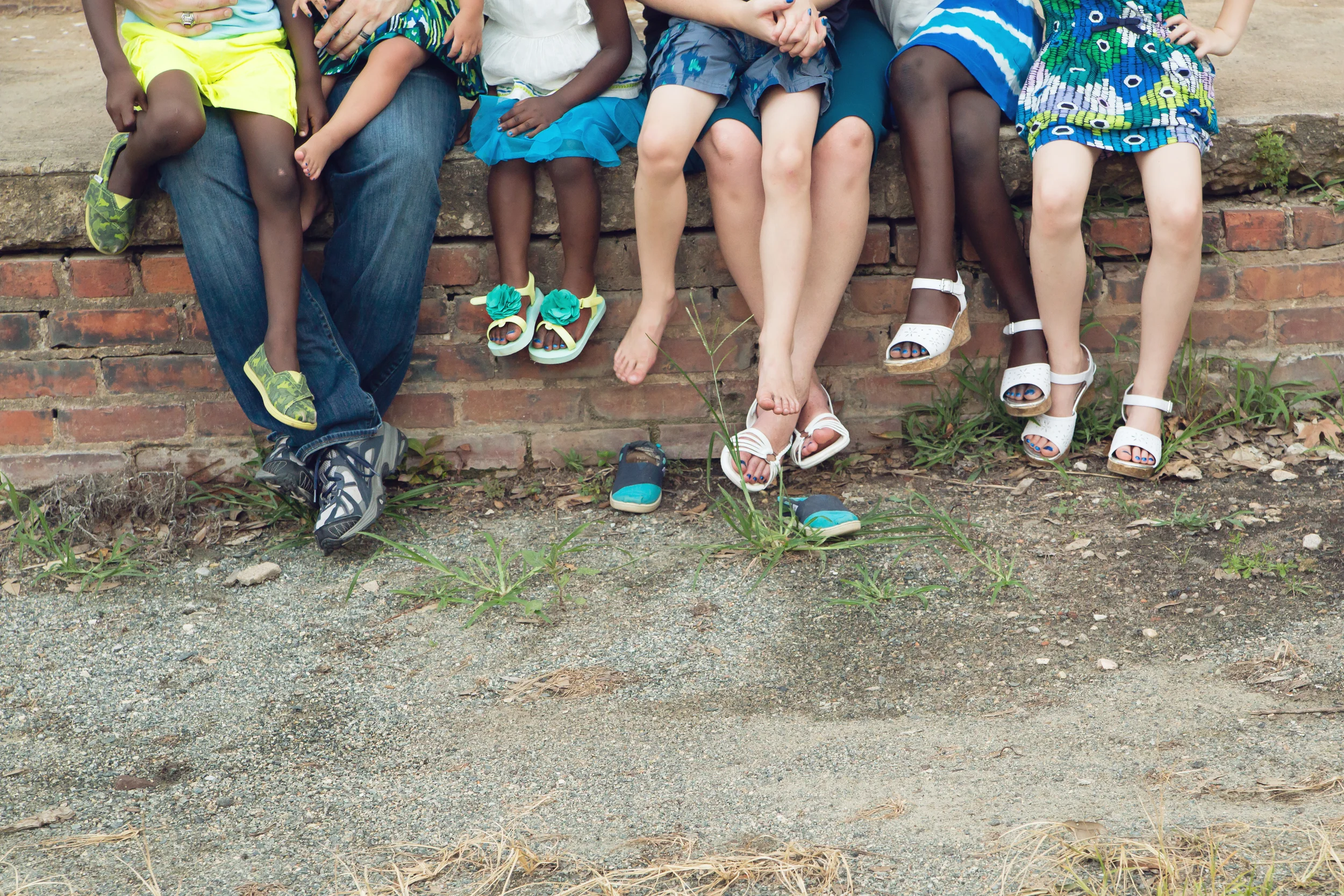
thanks to Robbin, who is adopting from the same place on a similar timeline, for the picture!
They should approve the paperwork and send it to Taiwan by the middle of next week.

For those of you who are wondering, paperwork for this adoption included: two copies of our home study in English (both notarized and then authenticated by the Secretary of State), three copies of power of attorney for our adoption coordinators to represent us in court (notarized & authenticated), three copies of our adoption contract (with a certified English translation; then notarized & authenticated), three copies of our adoption agreement (with a certified English translation; notarized & authenticated), one copy of our waiver for the adoption coordinator, and one copy of our photo pages which represent who we are and where we live to the judge in Taiwan.

Then what?

Well, according to the timelines provided by our adoption coordinator:
  • 7-10 days for notification of a court date 
  • 4-6 weeks til court from notification of date 
  • 4-8 weeks for first court decree 
  • 10-25 days til final decree 
  • 7 days for translation of all material and sent to AIT (think of it as the US Embassy-like entity in Taiwan) for review 
  • ~3 weeks later: travel to Taiwan!
That timeline would have us traveling to bring Zoe Amanda home at the earliest about 15 weeks from now (around my birthday on June 10) and at the latest 24 weeks from now (around August 10).

Based on the actual experiences of several families who have gone through this process in the past year, it is unlikely that we would have to wait until August and more likely to be mid-June. The range in my little sample from paperwork arriving in Taiwan until travel dates to bring their child home was 5 months (the longest by far, and everyone said theirs was an odd case), 3.5 months, 3.5 months, 2.75 months, and 3.5 months. If ours lines up with the shortest in that sample, we will be traveling near the end of May; if it matches with the median value of 3.5 months, then we're looking at mid-June; and if we end up with an odd longer case, it'll be August.

We will have more paperwork to process for Zoe Amanda's visa and citizenship around the time we travel, but now we can focus our efforts on fundraising, preparing for her arrival, and selling our home. Oh, and preparing for a special needs ministry conference I'll be speaking at in April and coordinating volunteers for Joy Prom on April 27.

As I told one friend yesterday, "now that our paperwork is off, our life is semi-calm-ish. With an emphasis on semi- and -ish." :)

Fridays from the Families: One church's pampering day for moms with husbands or children with special needs

Sandra Peoples is a pastor's wife, a mom, and an excellent writer, and I am thankful to know her. I featured her e-book, Speechless: Finding Grace in My Son's Autism, on this blog a few months ago. When I saw a post from her on Facebook about enjoying a day of pampering at a local church, I wanted to know more, and she graciously agreed to share. Read her guest post below, and visit the Facebook page for her book!

A special  needs mom's work is never done. We have to be "on" all the time. So a couple months ago when our son's behavioral therapist mentioned that her church was hosting a day of pampering for moms of kids with special needs and wives of husband with disabilities, I signed up!

I had never been to this church before, but as soon as I drove through the front entrance, a man greeted me by asking, "Good morning! Are you here to be pampered?" I told him I was and he told me where to park. When I got to the right lot, another man greeted me and asked if I would like the inside of my car detailed while I was being pampered. He handed me a baggie with a key ring and piece of paper (for the dashboard) with the number 3 on them.

When I walked through the doors I was greeted by ladies at the registration table. They took my keys with the numbered key ring. They handed me all the paper work for the day and I signed up for my choice of a table or chair massage, at the time that was best for me. One of the ladies walked me down the hall to the coffee area where there were light refreshments and drinks. The coffee area was across from the church library, which had books like Same Lake, Different Boat on display. I was impressed by their attention to detail! Even the books were specifically chosen for us!

At 10:00 we were led into the sanctuary for a time of worship. There was a "blessing of the hands" ceremony and a speaker who shared how her life changed when her son was injured and paralyzed at the age of 20.

After the service, the moms and wives headed to lunch in the gym. There were tables set up, each uniquely decorated by a hostess who ate with us. (The other volunteers and service providers ate in another room.) I enjoyed getting to know the women at my table. I was one of the youngest moms in attendance, and was in awe of the decades of love and compassion the women around me had invested into their children and husbands.

After lunch, the pampering began! I had signed up for a table massage first, so I headed down the hall to enjoy that treat. Then I went back into the gym, which was set up for hand scrubs, manicures, make-up application, facials, eyebrow waxing, satin lips, and hair cuts. I just started on one side of the room and worked my way around! Everyone was so friendly. Most started off the conversation by asking, "So, who do you care for?" They were sensitive and encouraging.

While we were being pampered. the coffee area was set up with gourmet teas and desserts. A trio of instrumentalists provided music through the afternoon. There were also volunteers available to pray with any of the women in attendance.

After getting as pampered as possible and enjoying dessert and tea with other moms, I was ready to head home. The inside of my car was spotless--even the cup holders! I felt encouraged, appreciated, and blessed by so many who took time to serve those of use who serve someone with special needs in our families. I can't wait for next year!
In a church setting, how can you support a parent who could be in denial about their child's special needs?

I was 25. My daughter was nine months old. I was constantly in pain, exhausted, and easily irritable, but I was convinced it would get better because I was just adjusting to being a mom. And my husband called me out on my denial and told me it was time to go to the doctor.

That's the short story of how my two chronic health conditions were diagnosed. What I tried to explain away as "being a new mom" turned out to be "Hashimoto's thyroiditis and rheumatoid arthritis."

Why am I telling this story in a post about parents who are in denial about their child's special needs? Well, because we can learn from it.


My husband made careful observations before he said anything;
you need to observe the child on multiple days in as many settings as possible.

Lee was positioned well to have observed what was going on with me and acknowledge that something wasn't right. He realized that my issues were constantly occurring and not based on my circumstances.

Are you sure you haven't decided that a parent is in denial about special needs because your information is limited? Maybe you've only seen the child once or twice. Maybe the child has to wake up earlier on Sunday morning and is struggling with that. Maybe the personality or teaching style in that class isn't a good match to the child. Maybe the issue at hand is your assumption and not the child's special needs. Take time to figure that out.

If you still are seeing something different going on...


My husband needed to confront my denial because it was damaging my body and hurting our family;
you need to evaluate if that parent's denial even needs to be addressed.

Sometimes denial really hurts a family. Sometimes, though, it won't hurt to give them more time. If a child is in danger in any way, say something right away. If no danger is imminent, you might want to wait and build the relationship more.

Every kid is different. In a church setting, an undiagnosed special need can make teaching more challenging, but is it really a huge problem? Sure, you do want to be honest with parents if there are any troublesome behaviors, but do you want parents to dread seeing you because they never hear anything but bad reports? It is often better to adjust your approach to reach a child's heart rather than trying to fix their behavior to fit your expectations for typical development.


My husband could confront my denial because we had a relationship; 
you can't expect to help parents through their denial without first establishing a relationship.

It's the whole "they don't care how much you know until they know how much you care" principle. I was willing to hear my husband out because he knows me and I know him. Because he knows me well, his concerns were meaningful to me.

If you don't know the parents well, you haven't established the trust required to even suggest that their child might need extra support in a church setting.


My husband was willing to see us through the outcomes of any diagnosis;
you need to be willing, prepared, and available to support your families through their outcomes.

When I received a diagnosis, my husband didn't leave. He didn't get me to that point and then bail on me. He was in it for the long haul, showing that he cared with his actions. You need to realize that the outcome could wrap everything up nicely... or it could reveal ongoing needs. If the needs are ongoing, will the church be there? Will you be willing to provide support and/or make sure others in your church are mobilized to provide that support?

In other words, if you aren't able to assist with a solution, then you're not the right person to say anything.


My husband recognized that my denial meant I was grieving my old life;
you need to let parents grieve too if they need to.

This means letting them move through the stages of grief on their own timetable, not yours. Pray that the Holy Spirit will convict them of the need to move on when His timing is right, and don't try to play God by enforcing your own timetable.

Be patient. Be willing to listen. And be there for them, even if and especially when they're struggling with guilt, despair, or denial.


My husband know he couldn't meet every need and was willing to let the experts do their jobs;
you need to be willing to help parents connect with other resources if necessary.

The church should work to include people with disabilities in the body of Christ. However, my role as special needs ministry coordinator doesn't mean that I have to offer speech therapy, medical consultations, and education consulting to every family. I'm not equipped or qualified for all of that.

Just as my husband was willing to concede that doctors would be more helpful to me in some areas than he could be, you need to realize that the church's primary mission isn't to fill every practical earthly need for our families.


My husband prayed and sought God's wisdom through every step of this process with me;
so should you.

Amen.

"After-birth abortion" should be allowed because some disabilities aren't diagnosed prior to birth?

I have a head cold, which would usually mean I'd take the day off from blogging. But a journal article that hit the web last Thursday was brought to my attention yesterday by a friend and colleague, and it demands a response.

The journal article: After-birth abortion: why should the baby live? And this isn't just any publication; it was found in the Journal of Medical Ethics. The juxtaposition of the idea of ethics with what's put forth in this journal is ironic at best.

Here are some quotes from the article itself. First the abstract (emphasis mine):
Abortion is largely accepted even for reasons that do not have anything to do with the fetus' health. By showing that (1) both fetuses and newborns do not have the same moral status as actual persons, (2) the fact that both are potential persons is morally irrelevant and (3) adoption is not always in the best interest of actual people, the authors argue that what we call ‘after-birth abortion’ (killing a newborn) should be permissible in all the cases where abortion is, including cases where the newborn is not disabled.
Later (emphasis mine once again),
An examination of 18 European registries reveals that between 2005 and 2009 only the 64% of Down's syndrome cases were diagnosed through prenatal testing.2 This percentage indicates that, considering only the European areas under examination, about 1700 infants were born with Down's syndrome without parents being aware of it before birth. Once these children are born, there is no choice for the parents but to keep the child, which sometimes is exactly what they would not have done if the disease had been diagnosed before birth.
The authors actually use a pro-life argument to present their anti-life stance: "The newborn and the fetus are morally equivalent," ergo if it is permissible to end the life progression of a fetus through abortion, it should be permissible to end the life progression of a newborn through "after-birth abortion." They prefer that term over (a) "infanticide" because the newborn is not yet a person by their definition or (b) "euthanasia" because the reasons for after-birth abortion don't have to be compassionate to the newborn. They write (once again, emphasis mine),
my son moments after he was born in 2007
Both a fetus and a newborn certainly are human beings and potential persons, but neither is a ‘person’ in the sense of ‘subject of a moral right to life’. We take ‘person’ to mean an individual who is capable of attributing to her own existence some (at least) basic value such that being deprived of this existence represents a loss to her. This means that many non-human animals and mentally retarded human individuals are persons, but that all the individuals who are not in the condition of attributing any value to their own existence are not persons. Merely being human is not in itself a reason for ascribing someone a right to life.
In their conclusion, they leave the door open for just about any reason to permit after-birth abortion: "if a disease has not been detected during the pregnancy, if something went wrong during the delivery, or if economical, social or psychological circumstances change such that taking care of the offspring becomes an unbearable burden on someone, then people should be given the chance of not being forced to do something they cannot afford."

As Christians, we cannot afford to be silent. As I've written before, if we value life, we don't get to choose which lives we value.

If I'm honest, I'm more offended by this news than I have been any of the other times I've written on this topic, including here and here and here. Why? Because it's closer to home. As a family, we are doing the exact opposite of the "ethical" argument given here as we adopt a sweet girl we already consider our own, a precious baby who happens to have a disability that would render her unworthy of life by these definitions. She was abandoned by her mother and rejected by other prospective adoptive families. When we were contacted about her need, our gut reaction was to say no as well, but now we are ecstatic to be bringing her home sometime this summer because God through prayer changed our hearts and made it clear that Zoe Amanda is part of our family.

May God change hearts of those who agree with the authors of this article and open the eyes of His people that we would not remain silent to atrocious arguments such as these.